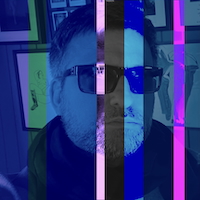
Photographer's Profile
Daniel Gilpin
Denmark
Daniel Gilpin is a British-born, Denmark-based artist whose work explores the modern nude through colour, form, and the disciplined language of classical study. Trained in figure drawing, he approaches photography with a painter’s sensibility, building images through shape, tone, and the behaviour of natural light. His works often carry the depth and colour balance of paintings, revealing the body not as a symbol or gesture, but as a formal structure of planes, rhythm, and energy. For Gilpin, the nude is a universal subject — a way to examine composition, balance, and human presence without narrative or performance. His interest is not in intimacy or provocation but in how light and colour sculpt the figure, how shadows create architecture, and how a body can hold stillness in a way that feels both contemporary and timeless. His inspirations come from classical art, the physicality of drawing, and the reality of the person before him, allowing instinct and observation to guide the work. Dyslexia played a central role in shaping his visual world, teaching him to interpret emotion spatially rather than through language. This non-verbal way of thinking influences every part of his process. He works without digital manipulation, relying instead on real light, real colour, and the tension of the moment. Many pieces are printed as one-off or very limited editions and framed in reclaimed or antique materials, reinforcing their sense of objecthood and individuality. Gilpin’s breakthrough came with Against the Storm’s Afterglow at the New York Photography Awards, which led to wider recognition for his colour-driven reinterpretation of the nude. He has since received more than thirty-five international awards across Europe, America, and Asia, with juries noting his painterly command of light, clarity of composition, and commitment to the nude as a contemporary fine-art subject. Through series such as Whispers in the Garden, Cocooned in Her Thoughts, and The Edge of Her World, Gilpin continues to expand the modern nude into a field of colour, structure, and human presence.